

Are you getting enough protein?
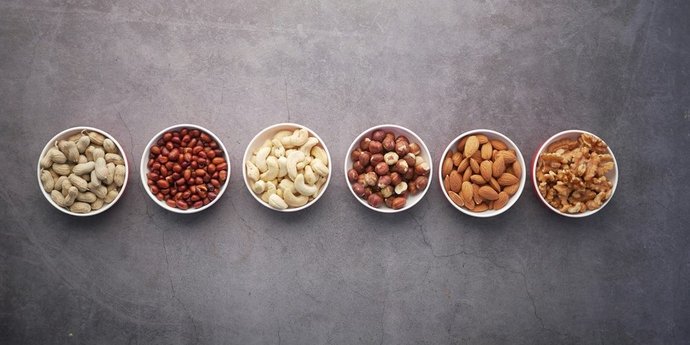
Students will be able to: explain the role of protein in the human body, distinguish between adequate, insufficient and excessive protein intake, calculate individual protein needs based on age, body weight and activity level, evaluate protein sources and supplements critically.
| Fächer | CLIL, Ernährung und Haushalt |
| Erstellt von | Mag. Birgit Hermann, HBLA Pitzelstätten |
| Zeitdauer | 1 UE |
| Schulstufen | 10. - 11. Schulstufe |
| Kompetenzen | Students are able to explain the role of protein in the human body. |
| Lernziele | Students should improve their English vocabulary on the topic of nutrition and food technology and should understand nutrition-related terminology (e.g. protein intake, saturated fat, sarcopenia, muscle mass) |
| Zusatzinformation | Student DOC | PDF Teacher DOC | PDF |
Read the article linked below and work through the activities.
1. Key vocabulary (Pre-reading)
Read the handed-out text and translate any words you do not know. Then find definitions for the following words:
- protein intake
- muscle mass
- sarcopenia
- saturated fat
- dietary guidelines
- sedentary
- excessive intake
2. True or false?
Decide whether the statements are true (T) or false (F). Correct the false statements.
- Most adults in the U.S. do not meet their daily protein requirements.
- Athletes usually need protein supplements to reach their protein needs.
- Skipping meals during weight loss can lead to muscle loss.
- Eating more protein alone leads to muscle growth.
- The body can store excess protein for later use.
- Protein should provide between 10% and 35% of daily energy intake.
- Older adults need less protein than younger adults.
3. Comprehension questions
Answer in complete sentences.
- Which factors influence individual protein needs?
- Why can excessive protein intake be harmful to health?
- What happens to excess protein once the body’s needs are met?
- Why is strength training more important than protein intake for muscle growth?
- Why should protein intake be spread evenly throughout the day?
4. Fill in the gaps.
5. Select the correct answer.
6. Case Study

Answer in English, using nutrition terminology:
A 45-year-old person weighs 75 kg and exercises regularly.
Calculate their recommended daily protein intake.
Suggest two suitable whole-food protein sources for one meal.
Explain why protein supplements are not necessary in this case.
7. Reflection / Discussion (Optional)
Why do many people overestimate their protein needs?
Should protein ever be the main component of a meal? Why or why not?
Optional Extension Question:
How can protein intake be optimized without increasing health risks?